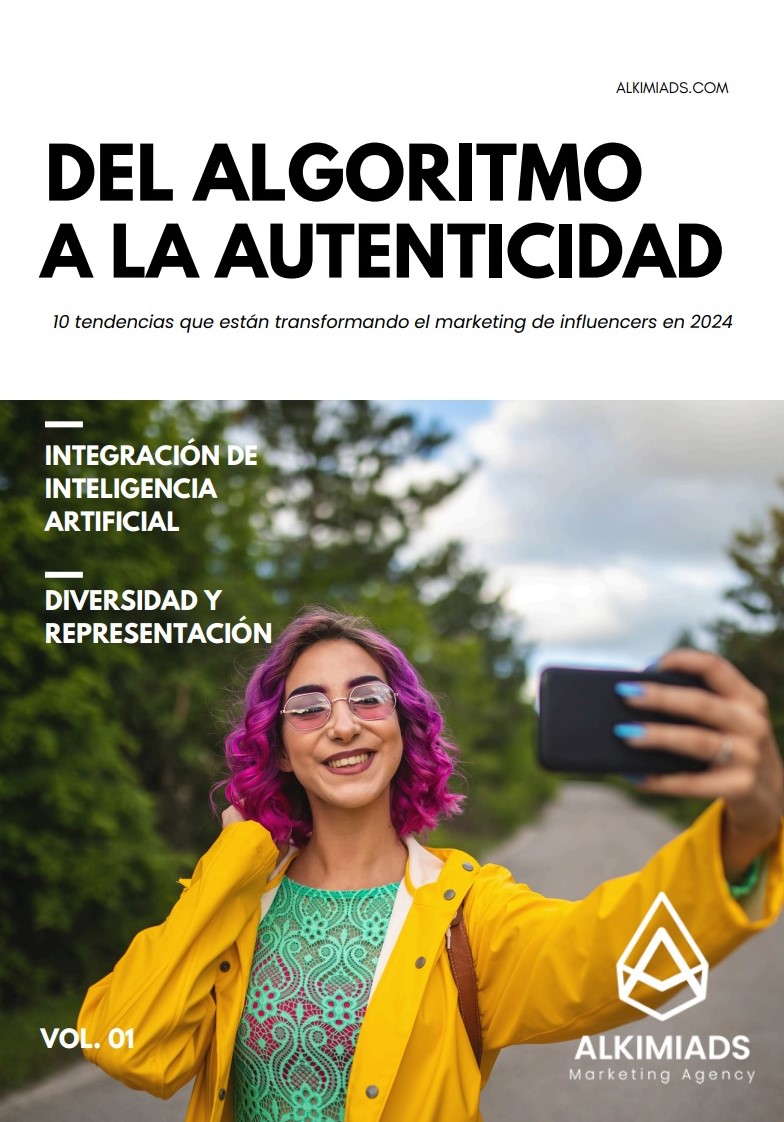



The landscape of influencer marketing is undergoing a significant transformation, moving beyond traditional metrics and broad demographic targeting. In 2025, successful brands will embrace inclusive marketing by understanding the nuances of diverse audiences and fostering genuine connections. This means prioritizing interests over demographics and views over follower counts to resonate authentically with consumers, particularly within multicultural and youth markets.
Why “Interests Over Demographics” is the New Standard
Historically, influencer marketing often relied on demographic data like age, gender, and location to define target audiences. However, this approach can lead to oversimplification and reinforce stereotypes. In 2025, a more effective strategy is to identify shared interests and passions that transcend traditional demographic boundaries.
- Deeper Connection: Consumers are more likely to engage with brands that align with their passions. By focusing on interest graphs—the web of shared hobbies, values, and conversations—brands can connect with individuals on a more personal level. For instance, a beauty brand might find a more engaged audience by targeting users interested in sustainable living, regardless of their age or background, rather than just young women.
- Beyond Age: Research indicates that 85% of adults value interests that cut across age groups. This highlights that a shared interest in, for example, vintage fashion or ethical technology, can be a stronger indicator of purchasing intent than a user’s age bracket.
- Avoiding Stereotypes: Targeting by interest inherently reduces the risk of perpetuating stereotypes. Instead of making assumptions based on a demographic group, you’re engaging with individuals based on their self-identified passions and online behaviors.
The Power of Micro and Nano-Influencers in Diverse Markets
As influencer marketing evolves, the emphasis is shifting from celebrity endorsements to more authentic voices within niche communities. Micro-influencers (10K–100K followers) and nano-influencers (1K–10K followers) are proving to be highly effective in reaching diverse audiences due to their genuine connections and higher engagement rates.
- Authenticity and Trust: These smaller creators often maintain closer, more personal relationships with their audiences. Their recommendations feel more like advice from a trusted friend than traditional advertising, fostering stronger trust and credibility. This is particularly crucial when connecting with specific cultural groups who value community and word-of-mouth recommendations.
- Higher Engagement: Despite smaller follower counts, micro and nano-influencers typically deliver higher engagement and conversion rates. Their audiences are more dedicated and responsive, leading to more impactful campaigns.
- Hyperlocal Campaigns: An emerging trend for 2025 is the rise of hyperlocal influencer campaigns. By collaborating with local creators, brands can connect authentically with regional audiences and address specific cultural nuances. This approach makes a brand feel more relevant and trustworthy within a particular community, whether it’s a neighborhood in a large city or a distinct cultural enclave.
- Cost-Effectiveness: Partnering with several micro and nano-influencers can often yield a better return on investment (ROI) than investing heavily in a single macro-influencer. This allows brands to diversify their reach across various niche communities without overspending.
Leveraging TikTok for Multicultural and Youth Engagement
TikTok continues to be a dominant platform for product discovery and engagement, especially among younger and diverse audiences. Its algorithm-driven feed prioritizes content based on user interests, making it an ideal platform for inclusive marketing.
- Content Discoverability: TikTok’s “For You Page” (FYP) algorithm emphasizes content virality over follower count, meaning even new or smaller creators can gain significant visibility. This democratizes influence and allows brands to tap into emerging trends and diverse creators who might not have massive followings but resonate deeply with specific cultural groups.
- Authentic Storytelling: The platform thrives on unpolished, authentic content, which encourages more genuine storytelling from creators. Brands can leverage this by empowering influencers to create content that reflects their unique cultural perspectives and experiences, rather than relying on heavily scripted ads. For example, some brands have successfully used TikTok’s influencer engine to drive conversions by integrating product discovery into engaging, culturally relevant campaigns.
- Direct-to-Consumer Integration: Features like TikTok Shop are transforming the platform into a powerful sales lever. Brands can integrate shopping experiences directly into influencer content, making the path from discovery to purchase seamless for consumers. This is particularly effective for reaching younger audiences who are accustomed to integrated social commerce.
Key Strategies for Inclusive Influencer Marketing in 2025
To implement an effective inclusive marketing strategy in 2025, consider the following:
- Shift from Demographics to Interests: Identify communities based on shared passions, values, and online behaviors rather than just age, gender, or location.
- Prioritize Micro and Nano-Influencers: Invest in creators with smaller, highly engaged audiences who can offer authentic connections within niche and diverse communities.
- Embrace Hyperlocal Campaigns: Work with local creators to build genuine relevance and trust within specific regional or cultural markets.
- Focus on Performance and ROI: Move beyond vanity metrics like follower count. Prioritize performance-driven partnerships and utilize AI-powered tools to track measurable outcomes like conversions and engagement.
- Foster Long-Term Partnerships: Building lasting relationships with influencers can lead to more authentic and impactful campaigns over time.
- Empower Creative Freedom: Allow influencers the flexibility to create content that resonates with their audience in their unique voice and cultural context. This fosters authenticity and avoids a “one-size-fits-all” approach that can alienate diverse groups.
- Utilize AI for Insights, Not Just Automation: While AI can automate tasks like influencer discovery and ROI tracking, its real power lies in providing deeper insights into audience behavior and optimizing campaign outcomes. Use AI to understand cultural nuances and preferences, rather than to replace human creativity and cultural sensitivity.
Potential Challenges and How to Address Them
While inclusive marketing offers immense benefits, there are potential challenges:
- Authenticity vs. Tokenism: Brands must ensure their inclusive efforts are genuine and not merely performative. Partnering with diverse creators without a true understanding or appreciation of their culture can backfire. Solution: Conduct thorough research, engage in genuine conversations with creators, and ensure your brand values align with those of the communities you wish to reach.
- Navigating Cultural Nuances: Misunderstanding cultural contexts can lead to unintentional missteps or offensive content. Solution: Work closely with creators from the target culture, seek their input on messaging and visuals, and be open to feedback.
- Measuring Impact: Quantifying the impact of inclusive campaigns beyond traditional metrics can be complex. Solution: Focus on qualitative feedback, sentiment analysis, and long-term brand affinity in addition to sales and engagement data.
Conclusion
Inclusive marketing in 2025 is not just a trend; it’s an essential strategy for brands aiming to connect authentically with a diverse global consumer base. By shifting focus from broad demographics to specific interests, leveraging the power of micro and nano-influencers, and embracing platforms like TikTok for genuine storytelling, brands can build stronger, more meaningful relationships that drive both engagement and sales. Ready to develop an inclusive influencer strategy that truly resonates with your target audiences? Explore our services to see how we can help you navigate the evolving landscape of influencer marketing.